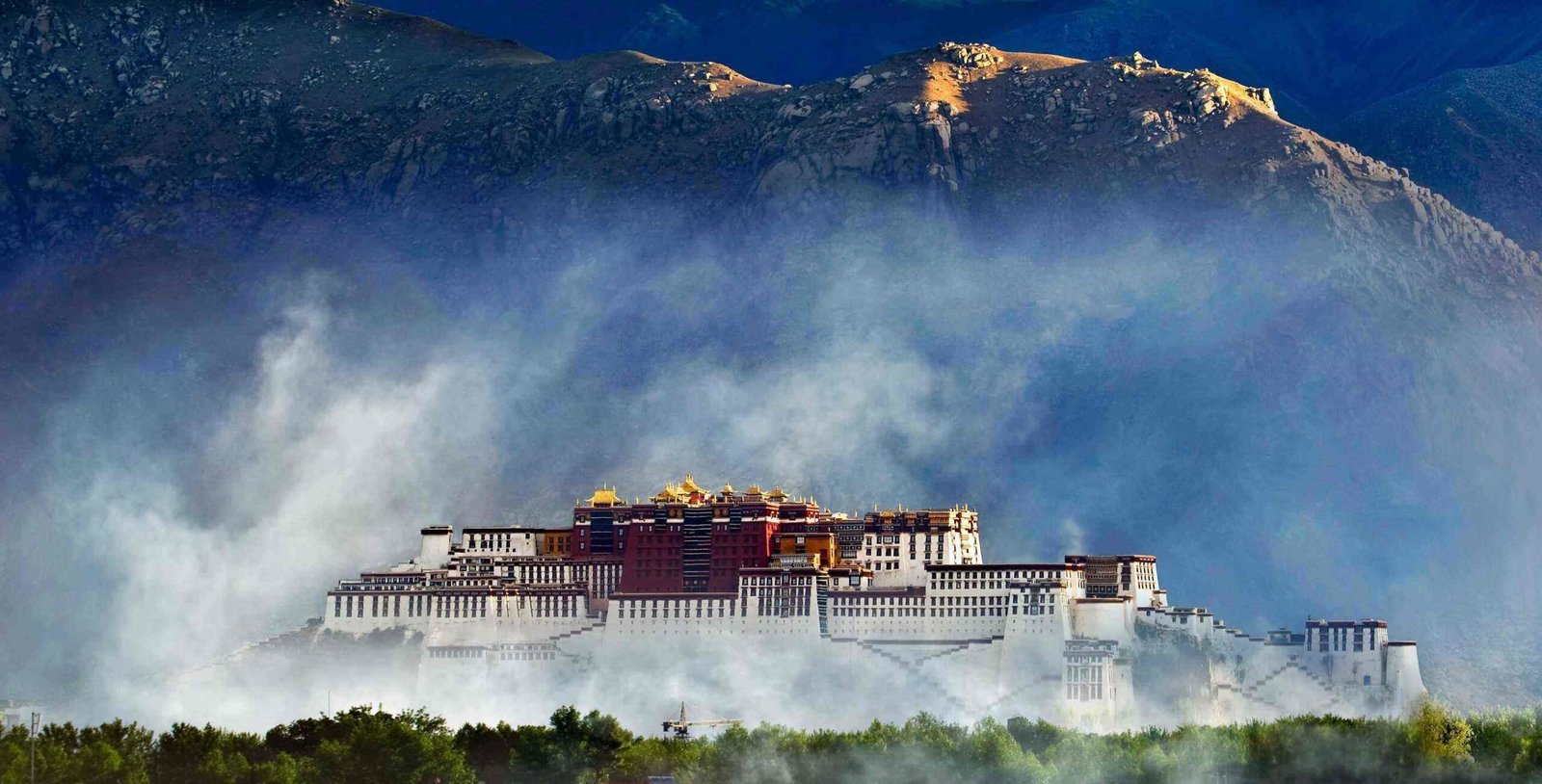
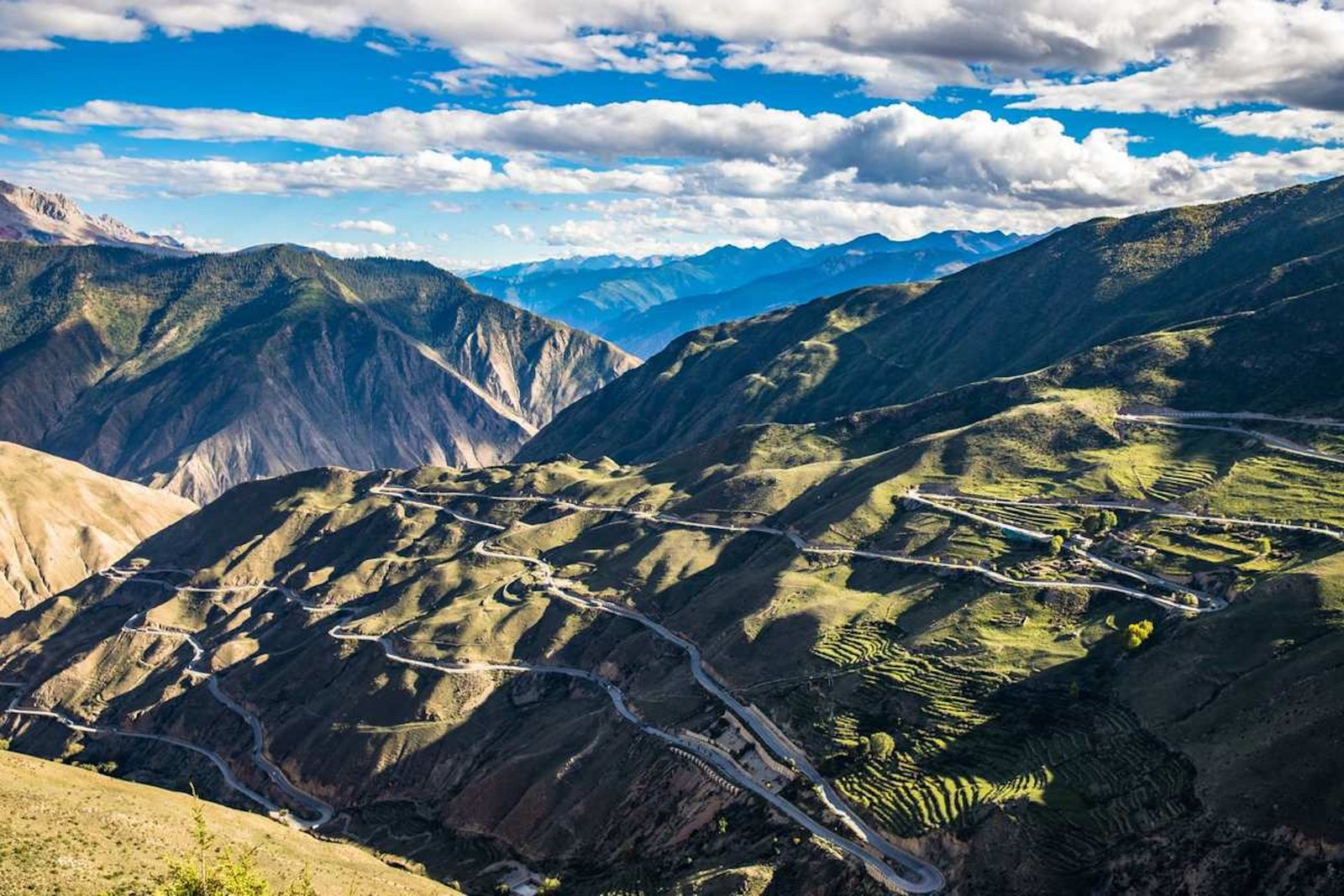
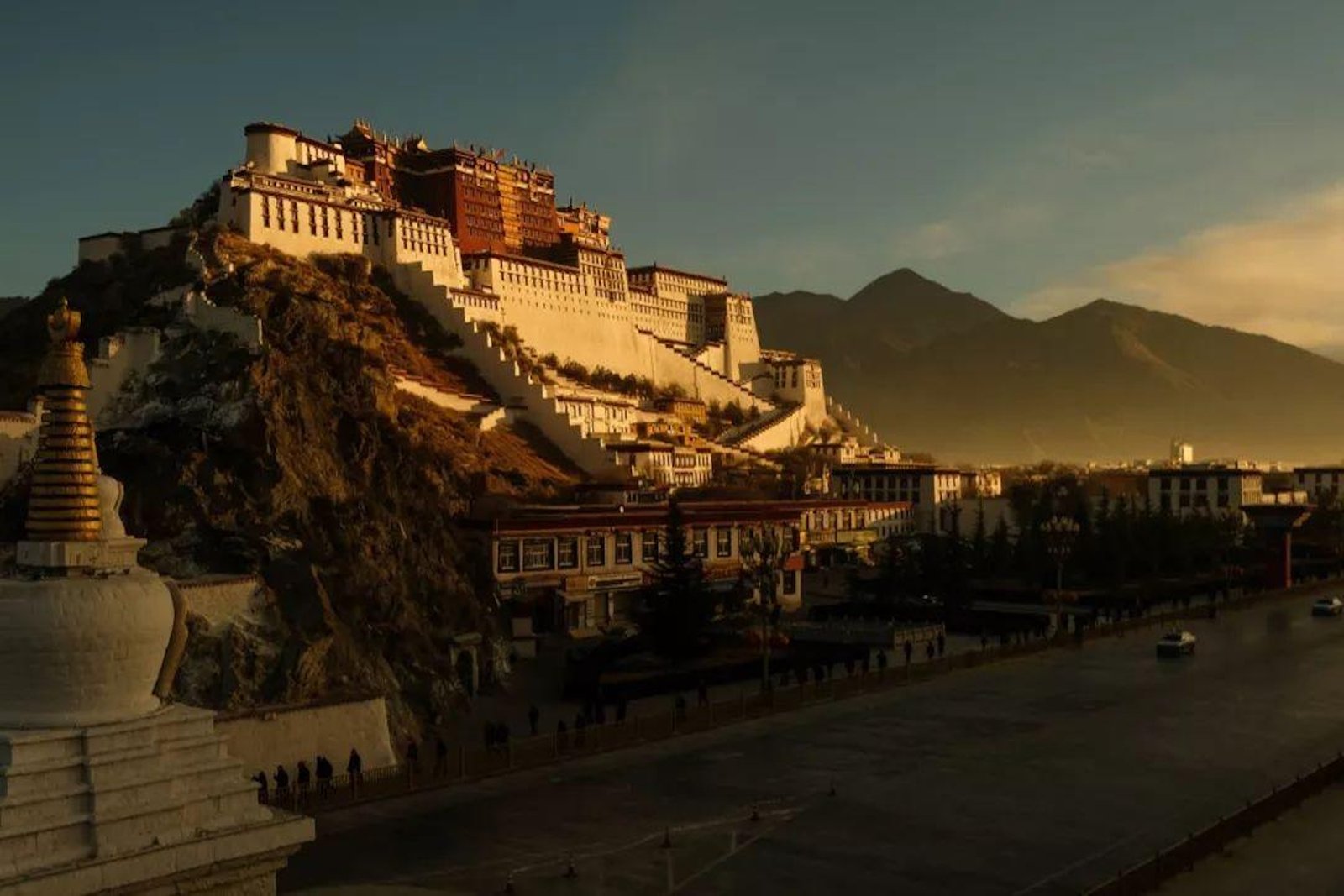
Because of the terrain, altitude, and climate, there are no fully high-speed highways from mainland China to Tibet, even though China is great at building infrastructure. This shows how tough it is to build roads to Tibet. Especially this route, which crosses the first and second steps of China’s terrain, has to go over many high mountains and rivers. A few decades ago, it was a luxury to have a simple mountain road in these areas. Just ten to twenty years ago, it took a 4WD half a day to climb a mountain, and during the rainy season, landslides and road cuts were common, causing long traffic jams.
Thanks to the hard work of the Chinese people, this road to Tibet has become much easier to travel. Most of the road is now paved with two lanes, and some parts even have high-speed roads, like the section from Nyingchi to Lhasa. Many tunnels have also been built, reducing the number of mountain passes to cross. Now, even small cars can easily drive on this road.
In addtion, motorcycles might be the best way to travel this route because, during the peak travel season from July to August, some dangerous sections can get congested, but motorcycles can avoid the traffic jams. Although riding a motorcycle on such roads can be more fun, the high-altitude climate is also a challenge for riders, especially when riding in the winter, spring, or even during rainy summers.Riders should pay special attention to preparing warm clothing, gloves and be cautious of icy sections at mountain passes and oncoming traffic at turns.
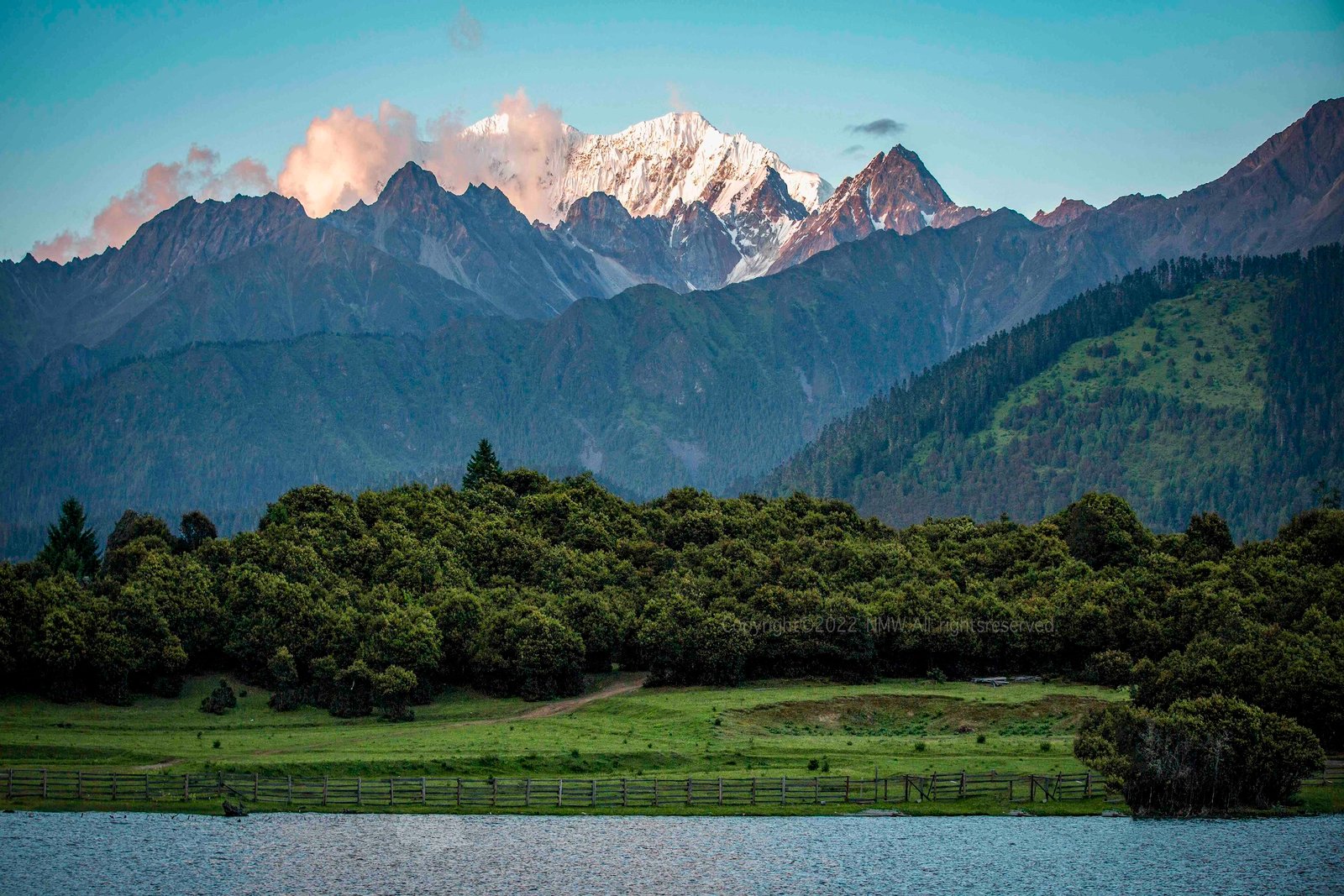
In short, this 4,000-kilometer route is one of a kind on Earth and will give you an unforgettable driving experience.
Itinerary
⛳ Border-crossing | Boten-Mohan
⛳ Border-crossing | Gyirong-Rasuwa
📏 Total Distance | 4,000 km
🔢 Group Size | 1–5 Vehicles
🕰️ Departure Month | Monthly
⏳ Duration |17-Day
- Exit Laos (Boten Boder) at the earliest opportunity and then drive to the China’s border gate, about 1 km (don’t drive though). Park the vehicle near by the Gate. Your guide will meet there.
- Then the driver and passengers take their carry-on luggage and follow the guide to the adjacent immigration hall window to handle the entry procedures for individuals. This takes about 20 minutes. After completion, passengers can pass through security with their luggage. The driver needs to return to the nearby border gate to wait for the confirmation of the vehicle’s customs procedures, which takes 30-60 minutes. Once the procedures are completed, the border inspection personnel will check the vehicle and luggage. If everything is in order, the driver can then drive the vehicle through the border gate and meet up with the passengers at other side of China.
- Subsequently, the guide leads the guests to the town to get a local SIM card. Then, follow the guide’s vehicle to the Vehicle Administration Office, 35 kilometers away, to process temporary driver’s licenses and vehicle temporary licenses. Since the travel agency has submitted all the necessary documents in advance, if you arrive before the lunch break at 12:30, you can get all the documents in about half an hour. After lunch in the town, continue along the picturesque tropical rainforest highway to reach today’s destination – Jinghong City.
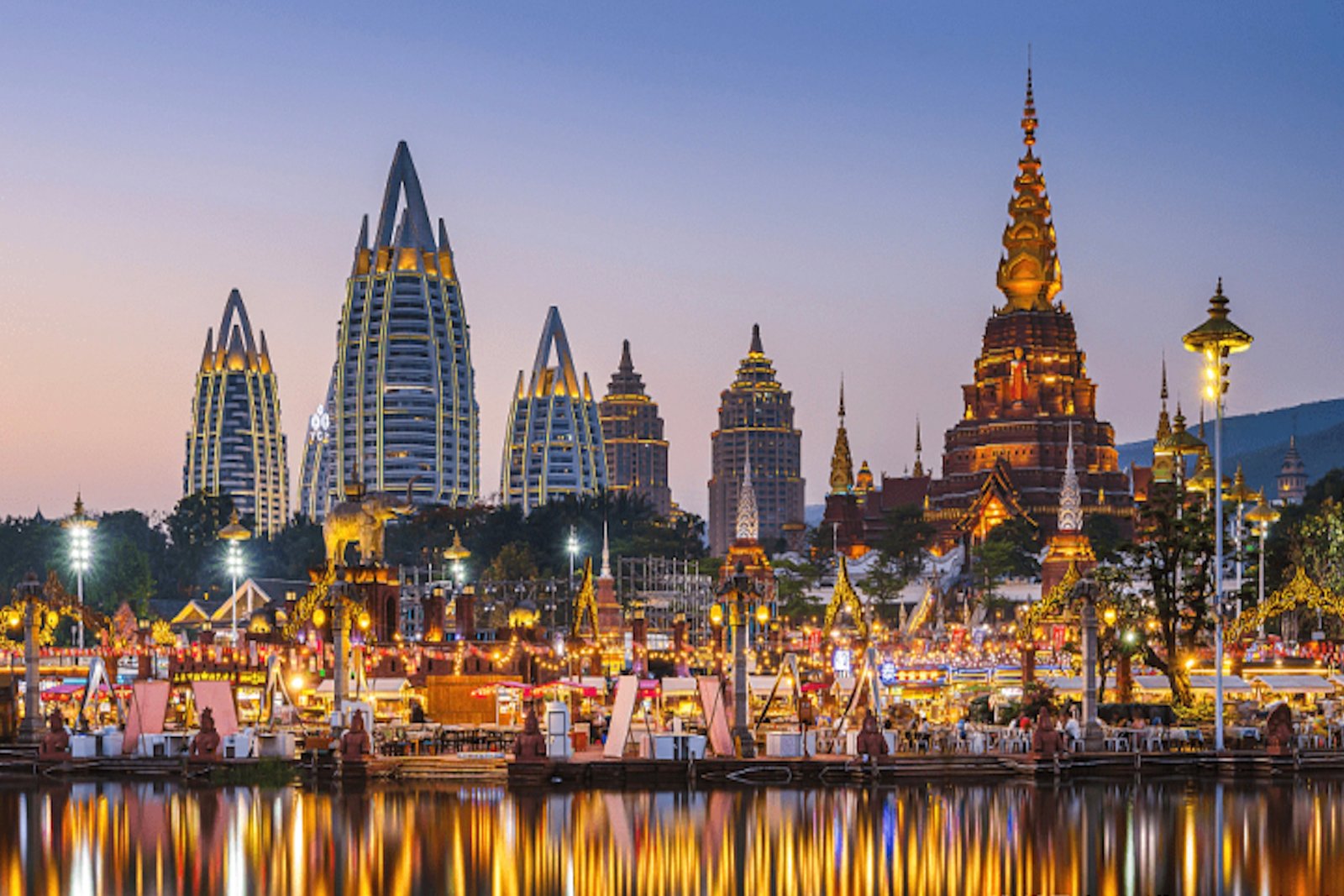
- Jinghong City is the capital of Xishuangbanna Dai Autonomous Prefecture, with a population of about 650,000. It is the largest city on the upper reaches of the Mekong River. The city is built around the river. There are large night markets on both banks of the Mekong River, with a very rich nightlife and beautiful cityscape at night.
- Today, our guide will instruct guests on how to use the universal QR code payment system throughout China, so that guests will not need to visit ATMs frequently. This makes shopping and paying for fuel, tolls, and parking fees more convenient.
Today’s distance is a bit long, so the guide will lead the group on a full-day drive via the expressway to Dali, which will take about 6-7 hours. This allows for a day to explore and experience the famous and livable Dali Ancient Town in China. Dali is situated at an altitude of around 2050 meters, and each subsequent day will gradually increase in elevation. It is very reasonable to have more adaptive stop days before reaching the “roof of the world.”
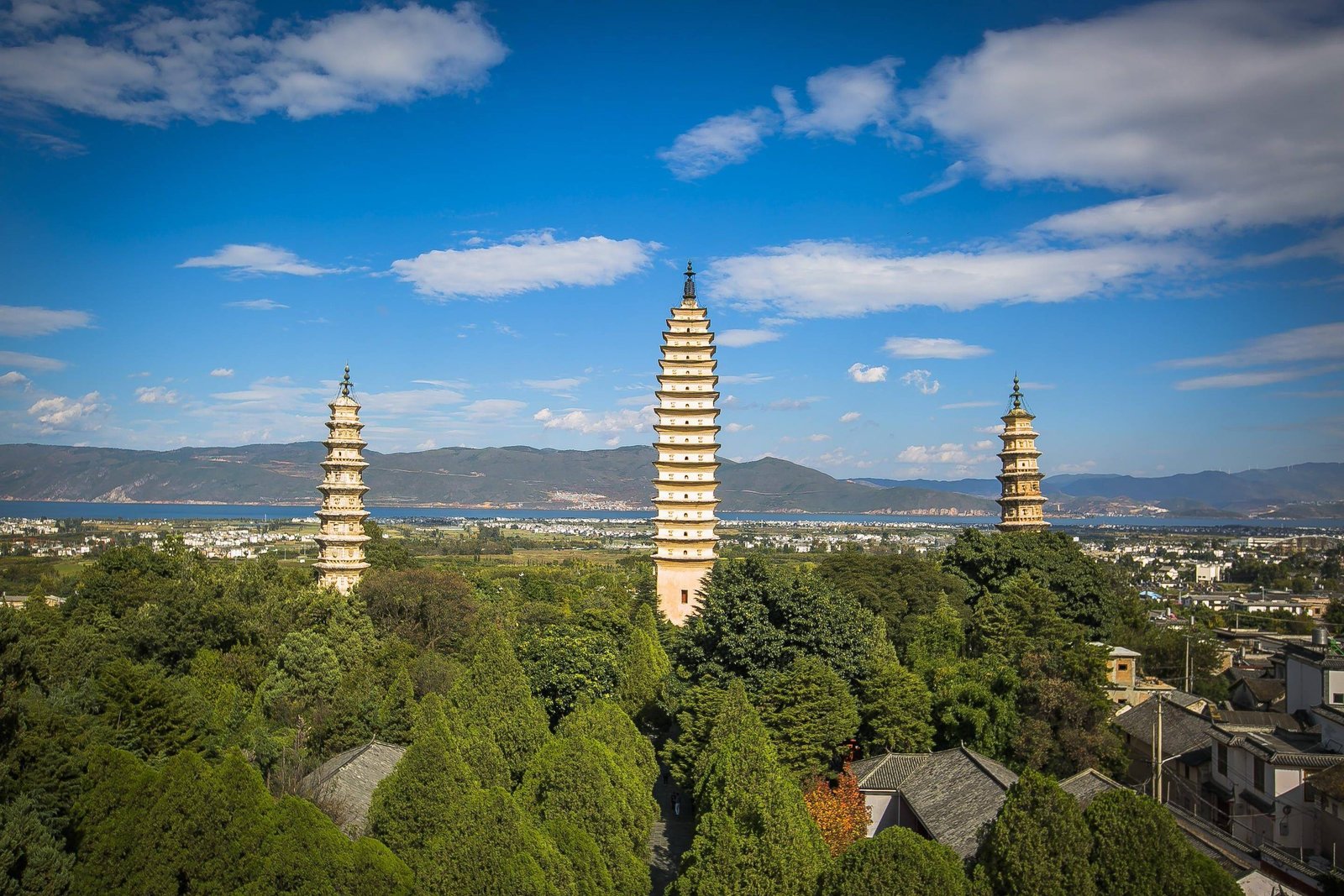
Dali, the ancient capital of the Nanzhao Kingdom in China, is backed by the majestic Cangshan Mountains and faces the magnificent and beautiful Erhai Lake. It has a pleasant climate, stunning natural scenery, and rich cultural landscapes. It is well worth a day’s stop and exploration.
Notes: ChinaRoadtrips carefully books hotels with high cost-performance ratios, good locations, convenient for sightseeing and parking, and ensures the safety of our guests.
- Today, you have a whole day to experience Dali.
- Recommended attractions to visit: Ancient City, Erhai Lake, Chongsheng Three Pagodas.
- Note: It is not convenient to drive around the ancient city. We will assist guests in using popular shared bicycles/electric vehicles in China as a means of transportation to explore the city and attractions.
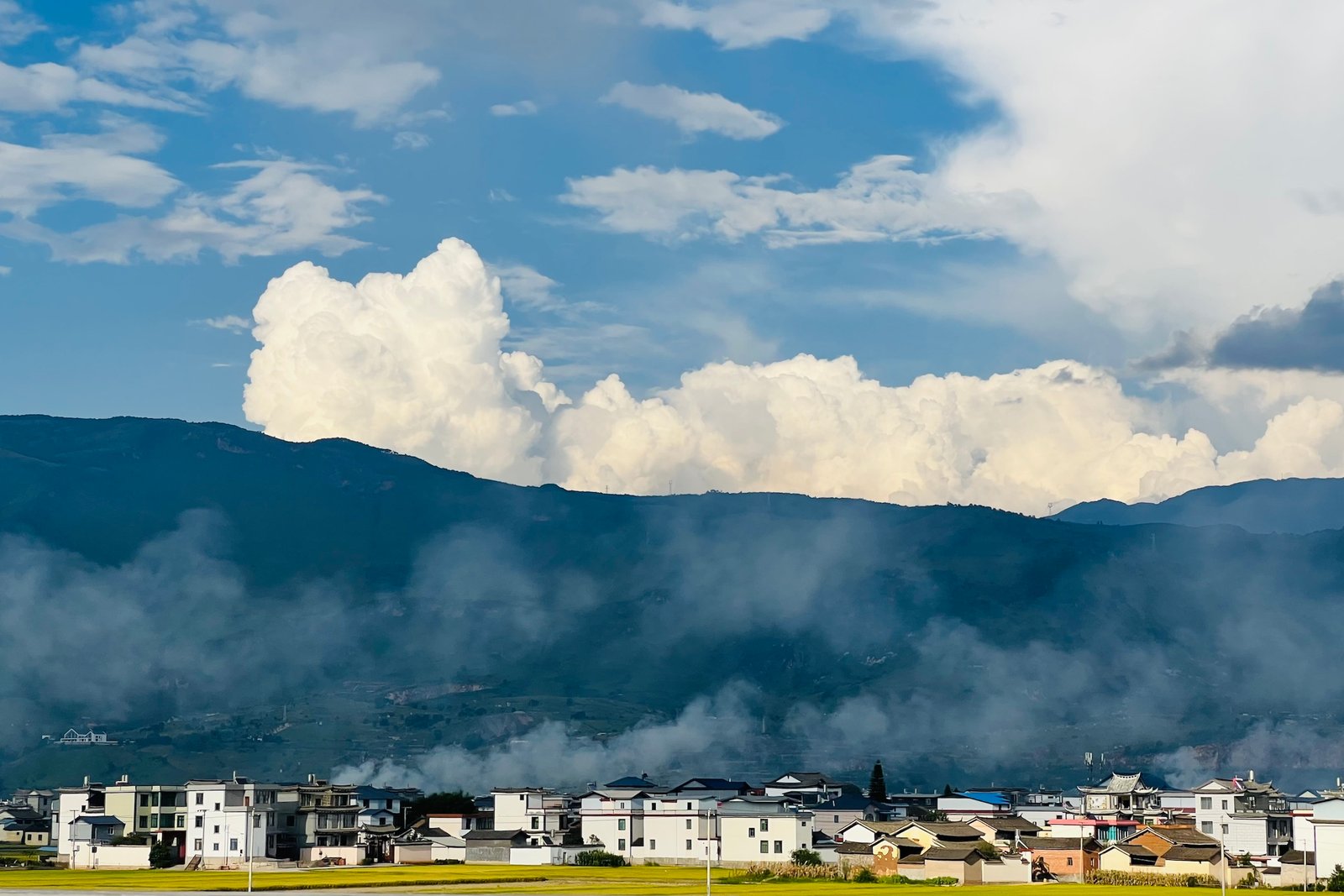
- Today, we will indulge in the pleasure of driving along China’s rural roads. The scenery en route is stunning, as we pass through villages, fields, and over mountains. Our first stop is the quaint town of Shaxi, nestled in the mountains along the ancient Tea Horse Road, a historical trading route between the Nanzhao Kingdom and Tibet. This place is characterized by its elegant and serene old shops, the distinctive dwellings of the Bai ethnic people, meandering streams, stone arch bridges, and fields that stretch as far as the eye can see… It’s as if a beautiful painting unfolds before us in the vast expanse of nature.
- After exploring Shaxi, we’ll have lunch here and then continue driving to the romantic “Little Paris of the East” – Lijiang.
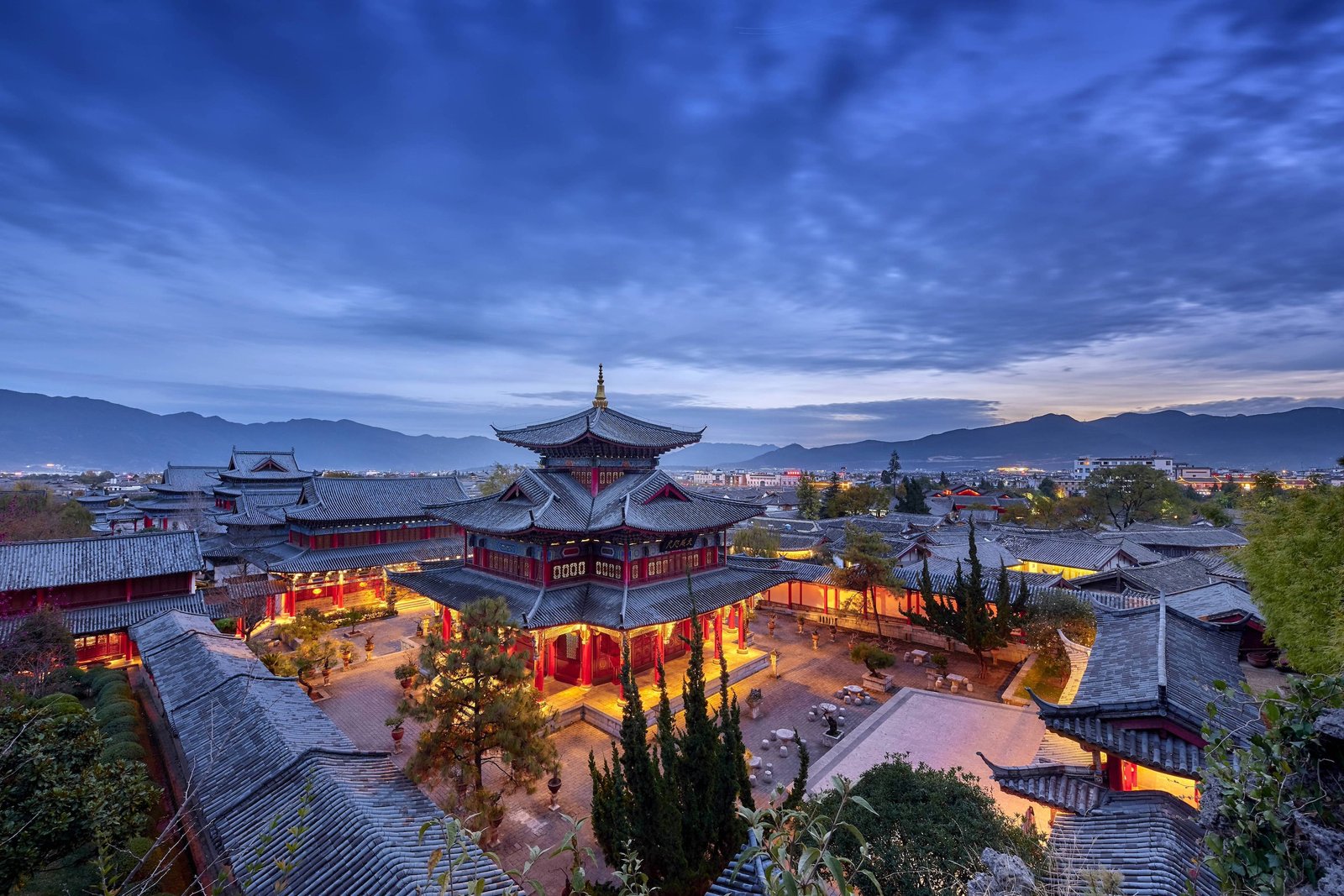
Lijiang is situated at an altitude of 2400 meters. Lijiang Ancient Town is a UNESCO World Heritage site, inscribed on the World Heritage List in 1997. Lijiang Ancient Town is a concentration of local historical culture and ethnic customs, integrating the architectural art styles of multiple ethnic groups. Its architectural layout reflects the traditional cultural concepts of the Naxi people, and the ancient town also features unique facilities such as an old water supply system, making it of extremely high value in terms of architecture, history, and culture.
In the evening, ChinaRoadtrips will treat our guests to dinner at the highest point in the ancient town, where they can enjoy a panoramic view of the town’s beautiful scenery, a rare opportunity. After dinner, if guests wish to experience Lijiang’s nightlife, ChinaRoadtrips would be delighted to invite them to relax at a bar, enjoy drinks, and watch performances.
- Today, you have a whole day to explore this UNESCO World Heritage city. The main scenic spots in Lijiang Ancient Town are as follows:
1. Mu’s Residence: The palace of Naxi chieftains, known as the “Forbidden City in the south”. It allows visitors to understand Lijiang’s history, culture and architectural art.
2. Sifang Street: The central square of the ancient town. It was once an important transportation hub and trade bazaar on the Ancient Tea Horse Road.
3. The large waterwheel: A landmark building at the north gate of the ancient town.
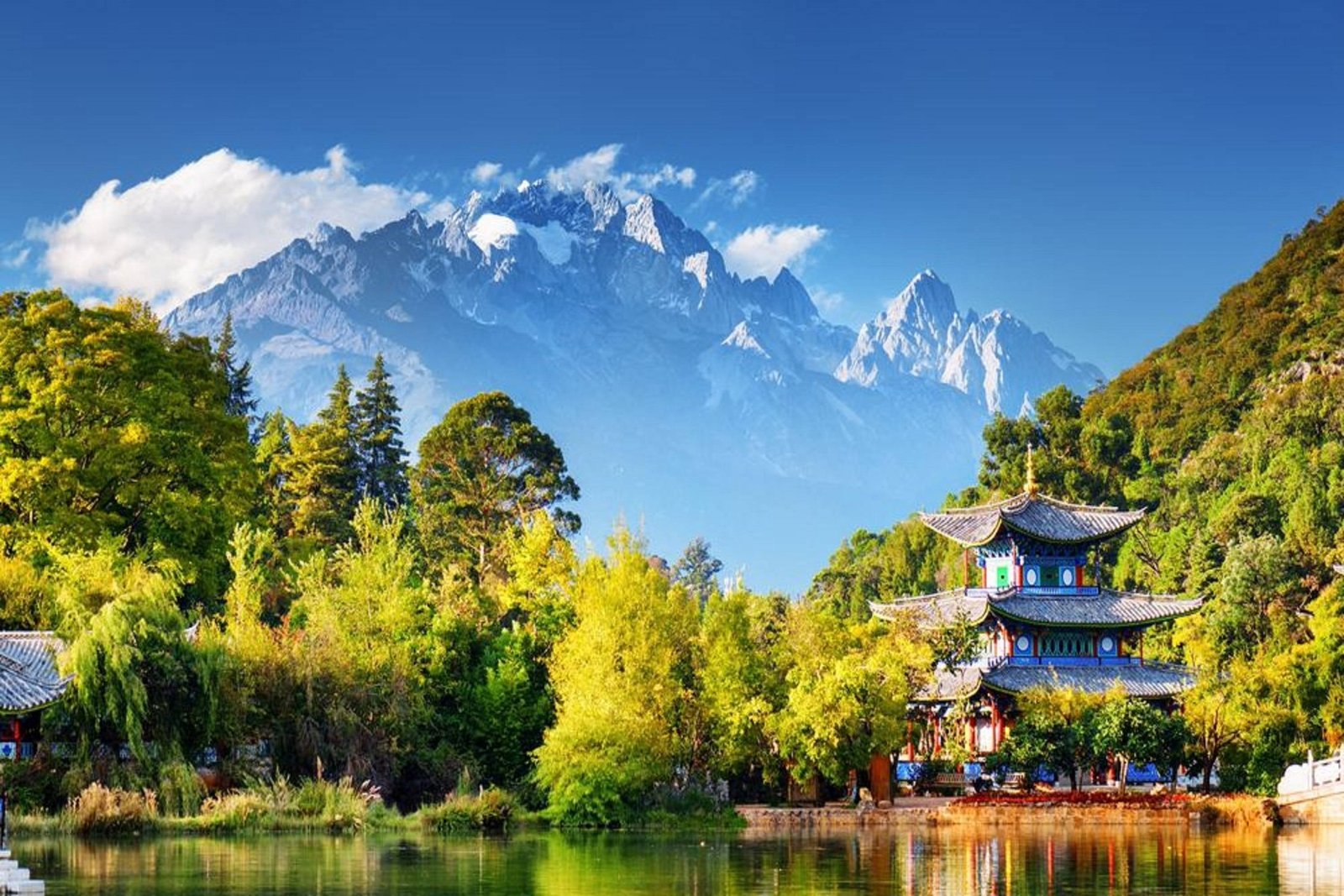
4. Lion Mountain: You can overlook the entire ancient town and Jade Dragon Snow Mountain.
5. The large stone bridge: The largest stone arch bridge in the ancient town.
6. Cherry Blossom Restaurant: A popular check-in place with a beautiful environment.
7. Oil-paper umbrella street: Hundreds of oil-paper umbrellas are hung all over this alley, which is suitable for taking pictures.
8. Wind chime street: The eaves are full of wind chimes, creating a peaceful and romantic atmosphere.
9. Bar street: It is extremely lively at night. You can experience Lijiang’s nightlife here.
10. Black Dragon Pool: The best place to appreciate the reflection of Jade Dragon Snow Mountain.
This 17-day itinerary offers a superior experience compared to the typical 15-day tours provided by most travel agencies. It includes ample time for altitude acclimatization in lower-altitude areas before entering Tibet, with a full day of rest and exploration in both the renowned travel destinations of Dali and Lijiang. After entering Tibet, the drive through the most treacherous and congested sections (during the months of July, August, and October) is relatively short, ensuring sufficient time is allocated for our guests. In Lhasa, the capital of Tibet, we definitely believe in spending two days to explore, unlike other agencies that only schedule one day (shorter itineraries tend to be less costly).
ChinaRoadtrips meticulously plans each day’s itinerary, including driving distances, sightseeing spots, overnight stays, and stopover durations, ensuring ample time to savor the tranquility of rural roads, the speed and grandeur of Chinese highways, and the local cultural experiences.
Considering that the webpage should not be too long, we have only listed the detailed itinerary for the first 5 days. However, I believe that the detailed plans and introductions for these initial five days are sufficient to demonstrate our professionalism, as well as our high standards of service and content.
- If guests need to know more about the itinerary, please contact us or leave a message below. We will respond to you promptly.
Quotation
The more vehicles in the group, the cheaper the price, so we hope more vehicles will join to allow everyone to enjoy a lower price. By sharing our itinerary and quotation page on social platforms or groups, you can get a 2% discount on the total price. If vehicles join the group because of your share, then you can get a 5%-20% discount on the total price.
Our quotation includes all the basic border-crossing overland services and many additional service terms that other travel agencies do not provide, all to ensure our guests have a better travel experience.
The cost per vehicle (car or motorcycle) with a driver in a single-vehicle group is $4,199 USD, with the additional charges of $ 550 USD for each accompanying passenger.
Note:
1. If there are no available seats in the team’s vehicles for the tour guide on this route, we will arrange a separate vehicle for the guide. An additional charge of $1500 for vehicle usage, fuel, and toll fees for the entire group to share. The fees for arranging a separate vehicle charged by other travel agencies are at least $3000.If you wish to avoid incurring this cost, you will need to find a car that has extra seat available to join this tour group.
2. If all team members prefer a cheaper price regardless of the group size, we also offer a quote for ten vehicles, with an additional discount of $600 per vehicle comparing 5 vehicles in the group.
3. Our price is 10% lower than competitors’ prices. You are welcome to compare our prices and service items with those of other travel agencies.
4. This is the group quote for a standard 17-day itinerary. If guests require customized travel arrangements, please let us know in advance.
The cost per vehicle (car or motorcycle) with a driver in a single-vehicle group is $2,699 USD, with the additional charges of $ 550 USD for each accompanying passenger.
Note:
1. If there are no available seats in the team’s vehicles for the tour guide on this route, we will arrange a separate vehicle for the guide. An additional charge of $1500 for vehicle usage, fuel, and toll fees for the entire group to share. The fees for arranging a separate vehicle charged by other travel agencies are at least $3000.If you wish to avoid incurring this cost, you will need to find a car that has extra seat available to join this tour group.
2. If all team members prefer a cheaper price regardless of the group size, we also offer a quote for ten vehicles, with an additional discount of $600 per vehicle comparing 5 vehicles in the group.
3. Our price is 10% lower than competitors’ prices. You are welcome to compare our prices and service items with those of other travel agencies.
4. This is the group quote for a standard 17-day itinerary. If guests require customized travel arrangements, please let us know in advance.
The cost per vehicle (car or motorcycle) with a driver in a single-vehicle group is $2,399 USD, with the additional charges of $ 550 USD for each accompanying passenger.
Note:
1. If there are no available seats in the team’s vehicles for the tour guide on this route, we will arrange a separate vehicle for the guide. An additional charge of $1500 for vehicle usage, fuel, and toll fees for the entire group to share. The fees for arranging a separate vehicle charged by other travel agencies are at least $3000.If you wish to avoid incurring this cost, you will need to find a car that has extra seat available to join this tour group.
2. If all team members prefer a cheaper price regardless of the group size, we also offer a quote for ten vehicles, with an additional discount of $600 per vehicle comparing 5 vehicles in the group.
3. Our price is 10% lower than competitors’ prices. You are welcome to compare our prices and service items with those of other travel agencies.
4. This is the group quote for a standard 17-day itinerary. If guests require customized travel arrangements, please let us know in advance.
The cost per vehicle (car or motorcycle) with a driver in a single-vehicle group is $2,199 USD, with the additional charges of $ 550 USD for each accompanying passenger.
Note:
1. If there are no available seats in the team’s vehicles for the tour guide on this route, we will arrange a separate vehicle for the guide. An additional charge of $1500 for vehicle usage, fuel, and toll fees for the entire group to share. The fees for arranging a separate vehicle charged by other travel agencies are at least $3000.If you wish to avoid incurring this cost, you will need to find a car that has extra seat available to join this tour group.
2. If all team members prefer a cheaper price regardless of the group size, we also offer a quote for ten vehicles, with an additional discount of $600 per vehicle comparing 5 vehicles in the group.
3. Our price is 10% lower than competitors’ prices. You are welcome to compare our prices and service items with those of other travel agencies.
4. This is the group quote for a standard 17-day itinerary. If guests require customized travel arrangements, please let us know in advance.
The cost per vehicle (car or motorcycle) with a driver in a single-vehicle group is $1,999 USD, with the additional charges of $ 550 USD for each accompanying passenger.
Note:
1. If there are no available seats in the team’s vehicles for the tour guide on this route, we will arrange a separate vehicle for the guide. An additional charge of $1500 for vehicle usage, fuel, and toll fees for the entire group to share. The fees for arranging a separate vehicle charged by other travel agencies are at least $3000.If you wish to avoid incurring this cost, you will need to find a car that has extra seat available to join this tour group.
2. If all team members prefer a cheaper price regardless of the group size, we also offer a quote for ten vehicles, with an additional discount of $600 per vehicle comparing 5 vehicles in the group.
3. Our price is 10% lower than competitors’ prices. You are welcome to compare our prices and service items with those of other travel agencies.
4. This is the group quote for a standard 17-day itinerary. If guests require customized travel arrangements, please let us know in advance.
The cost per vehicle (car or motorcycle) with a driver in a single-vehicle group is $1,399 USD, with the additional charges of $ 550 USD for each accompanying passenger.
Note:
1. If there are no available seats in the team’s vehicles for the tour guide on this route, we will arrange a separate vehicle for the guide. An additional charge of $1500 for vehicle usage, fuel, and toll fees for the entire group to share. The fees for arranging a separate vehicle charged by other travel agencies are at least $3000.If you wish to avoid incurring this cost, you will need to find a car that has extra seat available to join this tour group.
2. If all team members prefer a cheaper price regardless of the group size, we also offer a quote for ten vehicles, with an additional discount of $600 per vehicle comparing 5 vehicles in the group.
3. Our price is 10% lower than competitors’ prices. You are welcome to compare our prices and service items with those of other travel agencies.
4. This is the group quote for a standard 17-day itinerary. If guests require customized travel arrangements, please let us know in advance.
- Costs for Vehicles Services
- Full Customs Deposit
- Customs Clearance
- Temporary Plate No.
- CLIVTA
- Costs for Guests Services
- Temporary Driver’s License
- Travel Accident Insurance
- Costs for Other Services
- Guide Service
- Paperwork and Permits.
- Organization and Coordination Expenses
- Extra Services (1)
- Welcome Dinners (2-3)
- Massage (once)
- Bears in the Bar (once)
- Extra Services (2)
- SIM Card and Data (Usefull)
- VPN Service (Surf Internet freely)
- Can pay after entry (Safe Money)
- Refunds if dissatisfied (5%-20%)
- Exclude Services
- Meals/Accommodations/Gas/Toll/Visa
- Costs for temporary adjustments to the fixed schedule caused by customer’s reasons.